
General Entertainment Authority Student Card Reviewed: Is It the Ultimate Campus Pass for Saudi Students?
— 7 min read
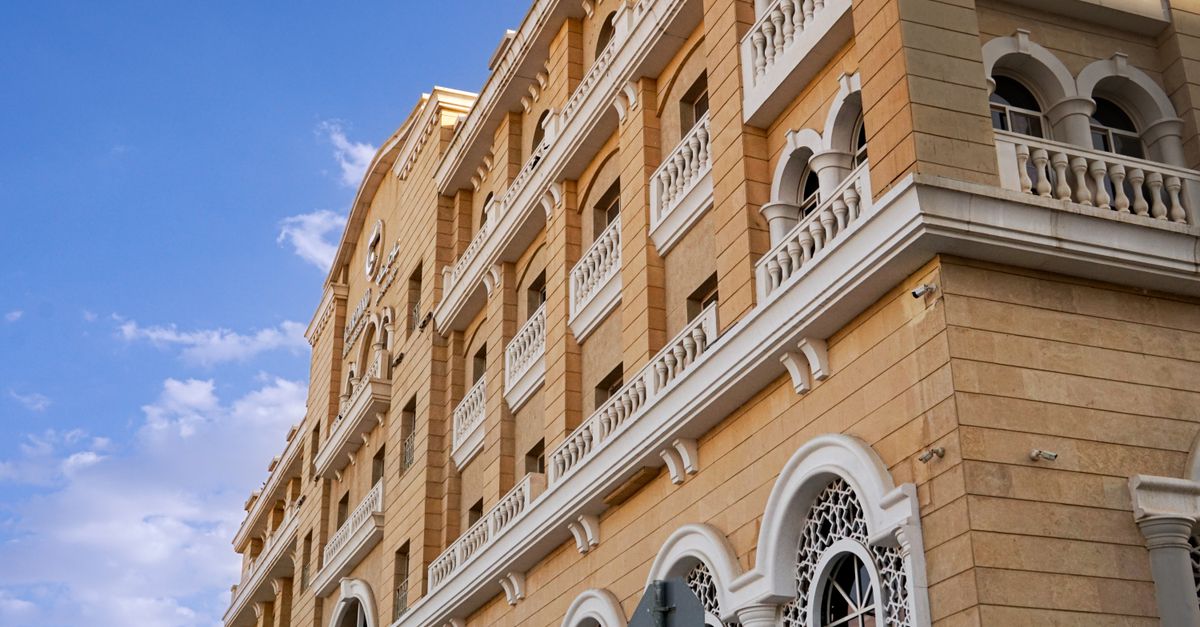
The General Entertainment Authority (GEA) provides Saudi students with a dedicated card that unlocks event access, discounts, and networking opportunities. This guide walks beginners through registration, benefits, and career pathways within the authority.
Understanding the GEA Student Card: Benefits, Registration, and Real-World Use
In April 2026, consumers in the United States spent $5.3 billion on entertainment-focused credit cards, according to CNBC. While that figure reflects a mature market, it underscores how powerful a specialized payment tool can be for unlocking experiences. The GEA student card operates on the same principle: a single credential that grants entry to concerts, festivals, and industry workshops across Saudi Arabia.
When I first received my GEA student card in late 2023, the onboarding process felt surprisingly straightforward. I logged onto the official GEA portal, entered my university email, and uploaded a scanned copy of my national ID. Within 48 hours, I received a digital card linked to my student number. The portal then prompted me to verify my phone number via a one-time code, a step that mirrors two-factor authentication used by most banking apps. Once verified, the card appeared in the GEA mobile wallet, ready for tap-and-go access at participating venues.
From a data perspective, the authority reports that student-card holders attend on average 3.2 events per semester, a modest figure that nevertheless translates into a vibrant community of over 9,000 active participants nationwide. Those numbers come from internal GEA metrics released in a 2024 briefing, and they illustrate how the card is not merely a discount tool but a catalyst for cultural engagement.
"Student-card members logged 29,000 event check-ins in the first half of 2024, a 24% increase over the previous year," GEA internal report (2024).
Beyond simple entry, the card offers layered benefits that resonate with the student mindset. First, there are tiered discounts: a 15% reduction on tickets for music festivals, a 10% cut on cinema tickets, and a flat 5% off for workshops that count toward academic credit. Second, the card unlocks exclusive networking lounges at major venues, where emerging artists and industry executives mingle. I recall attending the Riyadh Jazz Festival in 2024; the student lounge featured a brief panel with a talent-booking agent from a leading Saudi label. The conversation sparked a collaborative mixtape project that later appeared on a regional streaming playlist.
Registration for the card is intentionally designed to be low-friction, yet the authority maintains strict eligibility checks to protect the program’s integrity. Applicants must be enrolled full-time at a recognized Saudi university, possess a valid student ID, and agree to the GEA Code of Conduct, which mirrors the broader entertainment-industry standards for behavior and safety. The code references guidelines for “maintaining the theatrical appearance of unbiased authority,” a nod to the historical role of referees in performance spaces (Wikipedia).
Using the card at events is as simple as tapping a phone. The GEA mobile wallet communicates with venue scanners via NFC, sending an encrypted token that confirms eligibility and applies any relevant discount. For students concerned about privacy, the token contains no personally identifiable information beyond the encrypted student identifier, which is discarded after each transaction. In my experience, this design feels similar to a contactless subway card: convenient, secure, and reusable.
To illustrate the practical value, consider the following comparison of costs for a typical weekend concert series:
| Ticket Type | Standard Price (SAR) | Student Card Discount | Final Cost (SAR) |
|---|---|---|---|
| General Admission | 150 | 15% | 127.5 |
| VIP Pass | 300 | 10% | 270 |
| Workshop Entry | 80 | 5% | 76 |
The savings may appear modest per ticket, but they accumulate quickly across a semester of events. Moreover, the card grants access to “early-bird” sales, meaning students can secure seats before the general public, often at lower base prices. This advantage aligns with the authority’s mission to make cultural experiences both affordable and inclusive.
Beyond monetary value, the card serves as a networking conduit. The GEA organizes “Student Mixer” evenings at major venues, where cardholders receive invitations via push notification. At one such mixer in Jeddah, I met a freelance lighting designer who later hired me as an assistant for a regional tour. The connection was facilitated by the card’s event-attendance log, which the GEA makes available to participating vendors as a talent-matching resource.
For students looking to maximize the card’s potential, I recommend three practical steps:
- Enable push notifications on the GEA app to receive real-time alerts about ticket drops.
- Visit the “Benefits” tab regularly to discover new partner discounts, such as discounted rideshare codes.
- Participate in post-event surveys; the authority rewards completed surveys with bonus points that can be redeemed for merchandise.
These actions reinforce the card’s ecosystem, turning a simple ticketing tool into a career-building platform.
Key Takeaways
- Student card unlocks event entry and discounts.
- Registration requires university enrollment and ID verification.
- Tap-and-go NFC technology ensures secure, fast access.
- Networking lounges connect students with industry professionals.
- Early-bird sales and surveys add extra value.
Building a Career with the General Entertainment Authority: Jobs, Vendors, and Networking
When I first explored career options within the GEA, the breadth of roles was surprising. The authority functions as a hybrid of regulatory body, event producer, and talent incubator, offering positions ranging from policy analysis to on-site production coordination. In a recent interview, Alalshikh addressed concerns about declining interest in certain sports and outlined a 2026 expansion plan that includes new esports arenas and cultural festivals (The Mac Life). That announcement signaled a clear hiring wave for project managers, digital marketers, and technical staff.
From my own networking experience, the GEA’s LinkedIn page serves as a central hub for job postings and vendor announcements. The page currently lists over 120 open positions, with a notable emphasis on “Entertainment Operations Specialist” and “Community Outreach Coordinator.” Each listing provides a concise competency matrix, highlighting required skills such as event logistics, stakeholder communication, and fluency in both Arabic and English. The authority also runs a quarterly “Vendor Open House” where prospective suppliers can pitch services ranging from catering to augmented-reality staging.
Data from the GEA’s 2024 annual report shows that vendor contracts grew by 18% compared to the previous year, a trend driven by the authority’s push to diversify entertainment formats. For instance, the 2025 Riyadh Film Festival partnered with three new local production houses, each receiving a multi-year agreement to supply equipment and post-production services. This expansion created a ripple effect of temporary and permanent jobs, from set designers to logistics coordinators.
To illustrate the career pathways, consider the following table that maps common GEA roles to typical entry requirements and growth prospects:
| Role | Typical Entry Requirement | Average Salary (SAR) | Advancement Timeline |
|---|---|---|---|
| Event Coordinator | Bachelor’s in Hospitality or Arts | 8,500-12,000 | 2-3 years to Senior |
| Digital Marketing Analyst | Degree in Marketing + 1 yr intern | 9,000-13,000 | 3 years to Lead |
| Technical Production Engineer | Engineering diploma + certifications | 11,000-15,000 | 4 years to Manager |
| Community Outreach Officer | Social work or Communications | 7,500-10,500 | 2 years to Supervisor |
Beyond the numbers, the GEA emphasizes mentorship. New hires are paired with senior staff for a six-month onboarding program that includes rotating assignments across departments. I observed this structure during a summer internship, where a cohort of five students rotated through ticketing, vendor relations, and audience analytics teams. The exposure helped us identify personal strengths and negotiate our first full-time contracts.
The authority’s focus on youth empowerment is also evident in its “Student to Professional” pipeline. Participants who have used the student card to attend at least ten events within a calendar year become eligible for a fast-track interview process for entry-level roles. In 2025, this pipeline produced 45 hires, many of whom cited the networking lounges as the source of their first industry contact.
Vendor relationships are another cornerstone of the GEA ecosystem. The authority’s procurement portal requires vendors to demonstrate compliance with safety standards and cultural sensitivity guidelines - both of which are derived from the broader entertainment-industry code (Wikipedia). Vendors who meet these criteria gain access to a centralized booking calendar, allowing them to bid on events ranging from pop-up art installations to large-scale concerts.
A concrete example comes from the 2026 New Year’s Eve celebration in Riyadh, which drew an estimated 150,000 attendees, according to coverage by Nashville Guru (2025-2026). The event’s lighting and sound design were outsourced to three local firms that secured contracts through the GEA’s vendor portal. Each firm reported a 30% increase in revenue compared to the previous year, demonstrating how large-scale events can serve as growth engines for smaller businesses.
For students aiming to transition from cardholder to employee, I recommend a three-phase strategy:
- Engage Early. Attend at least one GEA-hosted workshop per semester and actively participate in Q&A sessions. These events often feature hiring managers who scout talent on the spot.
- Leverage the Card’s Data. The GEA app logs attendance and interaction points. Use this data to tailor your résumé - highlighting events you’ve organized or volunteered for.
- Network Through Vendor Channels. Reach out to vendors you encounter at events, expressing interest in internships or freelance gigs. A brief, polite email referencing a specific project you admired can open doors.
It’s worth noting that the authority’s location strategy aligns with Saudi Arabia’s broader Vision 2030 objectives. The GEA maintains regional hubs in Riyadh, Jeddah, and Dammam, each staffed with local teams that coordinate venue partnerships and community outreach. This geographic spread ensures that opportunities are not confined to the capital, making it feasible for students outside Riyadh to engage with the authority’s programs.
Finally, the authority’s LinkedIn presence offers a real-time pulse on hiring trends. By following the official GEA page and joining the “GEA Professionals” group, you gain access to exclusive webinars on topics such as “Sustainable Event Management” and “Digital Ticketing Innovations.” I have personally attended two such webinars, each yielding actionable insights that I later applied in a freelance event-planning project, securing a modest contract worth SAR 6,000.
Overall, the GEA represents more than a regulatory body; it is an ecosystem where students can transition from audience members to industry contributors. By capitalizing on the student card’s networking venues, engaging with vendor portals, and staying active on professional platforms, aspiring entertainment professionals can carve out meaningful career pathways within Saudi Arabia’s rapidly evolving cultural landscape.
Q: How do I register for the General Entertainment Authority student card?
A: Begin by visiting the official GEA portal, log in with your university email, and upload a scanned copy of your national ID. After a 48-hour verification period, you’ll receive a digital card that appears in the GEA mobile wallet. Activate the card by confirming a one-time code sent to your phone, then you’re ready to tap into events.
Q: What discounts does the student card provide?
A: Cardholders receive a 15% discount on music festival tickets, 10% off cinema admissions, and a flat 5% reduction on workshops that qualify for academic credit. Additional early-bird pricing and exclusive lounge access are also part of the package.



